
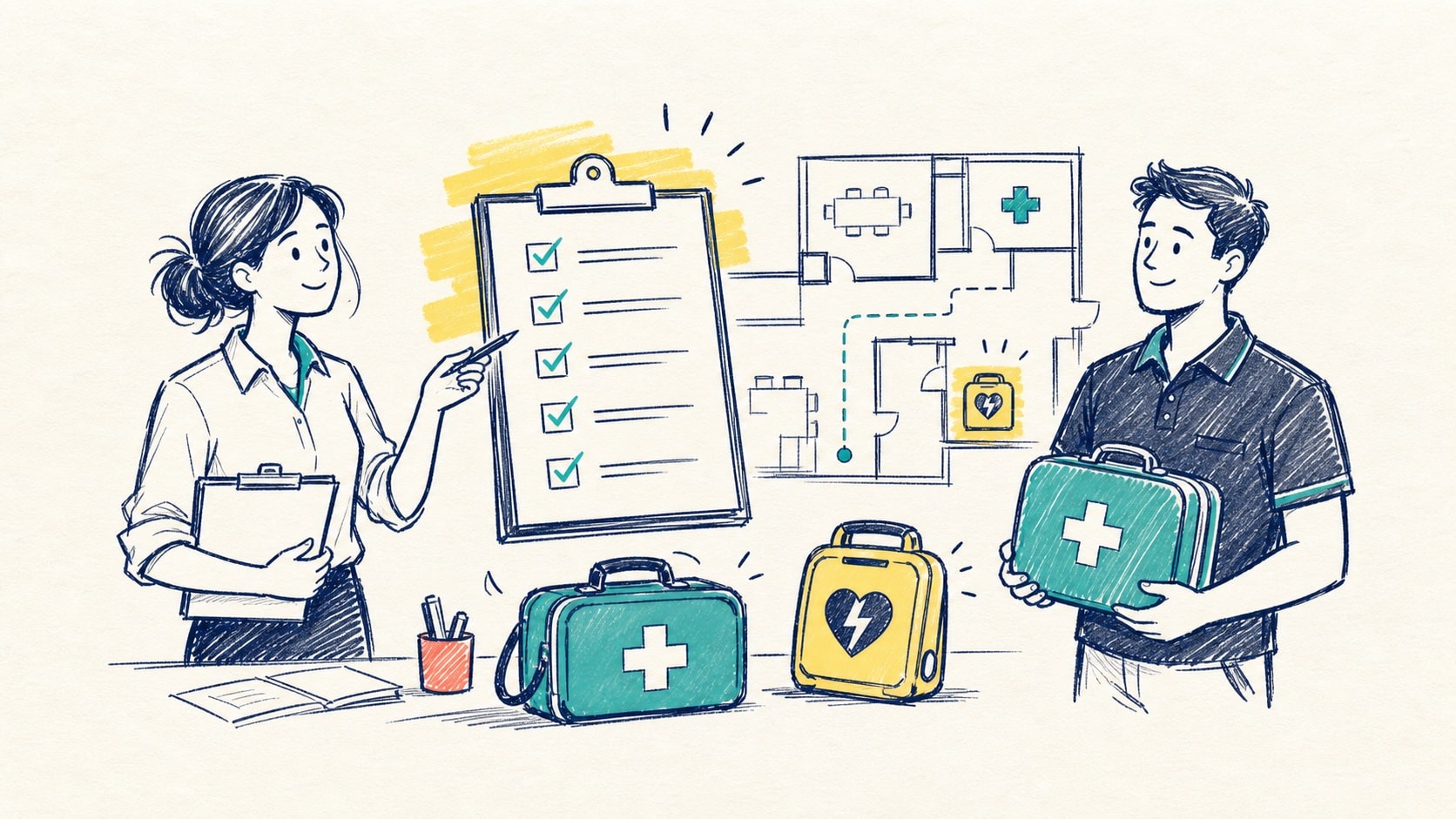
If you have searched “workplace first aid requirements QLD”, you have probably found the world’s least satisfying answer: “it depends.” Annoying? Yes. Wrong? Not really.
Queensland workplace first aid requirements do depend on your workplace. An office with 18 staff has a different risk profile to a warehouse, childcare centre, dental clinic, electrical crew or allied health team doing home visits. The mistake is treating the Code of Practice ratio as the full plan.
The Code gives you a guide. Your risk assessment gives you the answer.
This guide walks through what Queensland workplaces need to consider: first aider numbers, CPR renewal, first aid kits, offsite workers, professional currency, emergency access and the practical question that matters most: if something happens, can trained help arrive quickly?
Workplace First Aid Requirements QLD: The Short Answer
Queensland employers must provide first aid equipment and facilities, plus access to an adequate number of trained first aiders. What is “adequate” depends on the nature of the work, the hazards, the size and location of the workplace, and who is present at the time.
The common starting point is:
1:50
Recommended first aider ratio for low-risk workplaces
1:25
Recommended first aider ratio for high-risk workplaces
1:10
Recommended first aider ratio for remote high-risk workplaces
12mo
Typical CPR refresher cycle recommended in the Code
But do not stop there. One trained first aider might look fine on paper and still be hopeless in practice if they are off sick, at lunch, on another site, in a meeting, or the person who gets hurt.
What Does Queensland Law Actually Require?
WorkSafe Queensland says employers must have first aid arrangements and emergency plans in place. For Work Health and Safety (WHS) first aid requirements Queensland workplaces need equipment and facilities that are accessible, plus an adequate number of people trained to administer first aid.
That word “adequate” is doing a lot of work.
It does not mean “one person did a course three years ago, so we are sorted.” It means your workplace has thought about the actual risks and put a reasonable first aid plan in place.
The requirement is risk-based
WorkSafe Queensland says first aid requirements vary depending on the nature of the work, the hazards present, the size and location of the workplace, and the number and composition of people there. In plain English: the law does not hand every workplace the same answer.
The First Aid in the Workplace Code of Practice gives practical guidance for deciding what is enough. It covers ratios, kits, first aid rooms, training currency, risk assessment and remote or isolated work.
This is guidance, not legal advice. If your workplace is complex, high-risk or regulated by extra industry rules, check the current Code and speak with WorkSafe Queensland or a WHS adviser.
For most Brisbane workplaces, you do not need to panic. You need to think clearly.
How Many First Aiders Does a Queensland Workplace Need?
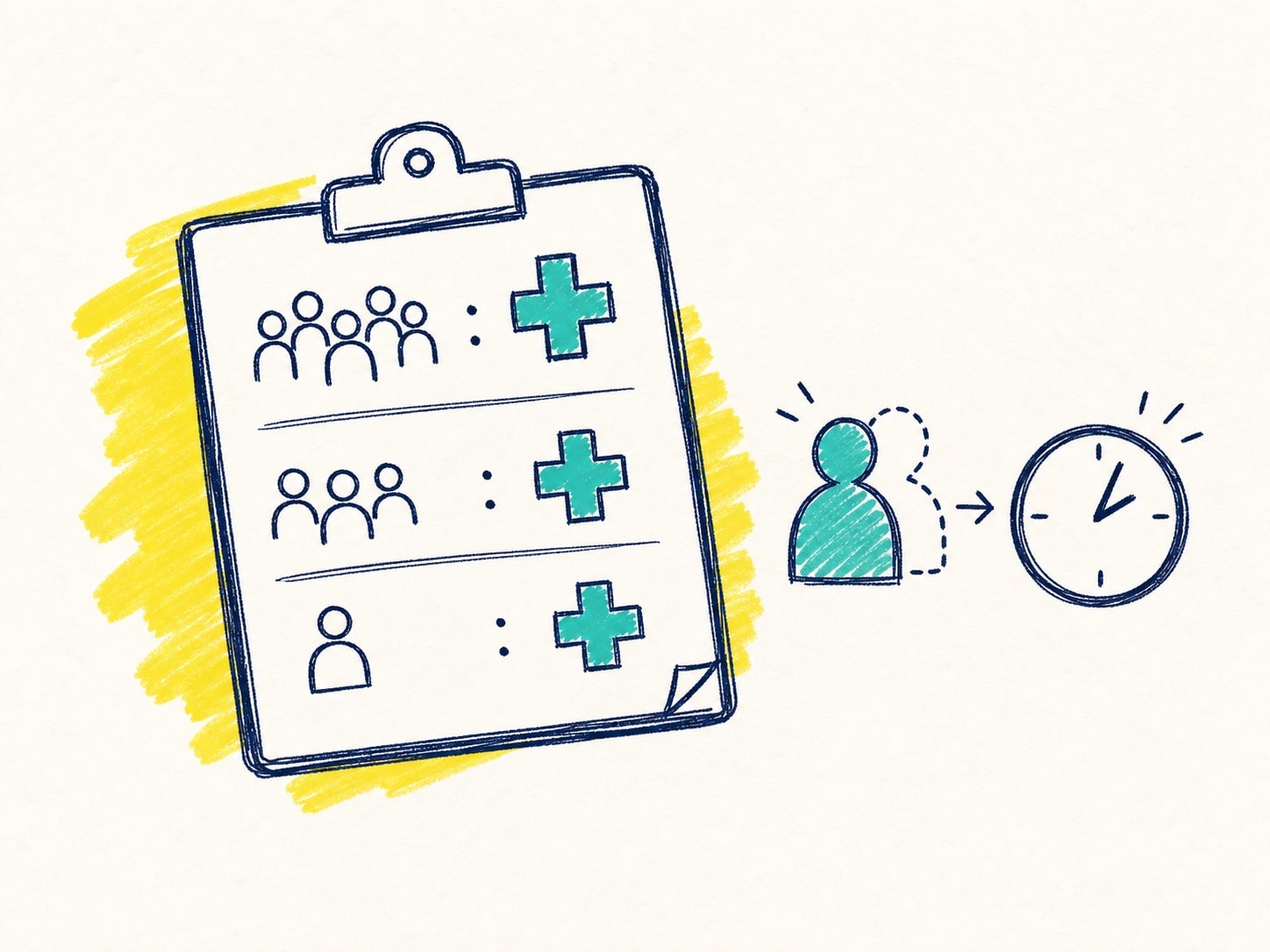
The usual answer starts with the Code of Practice ratios:
- Low-risk workplaces: 1 first aider for every 50 workers
- High-risk workplaces: 1 first aider for every 25 workers
- Remote high-risk workplaces: 1 first aider for every 10 workers
Low-risk workplaces are usually offices, retail stores and professional services where serious injury is less likely. High-risk workplaces include construction, warehousing, manufacturing, childcare, electrical work, laboratories, heavy plant, chemicals, heights, machinery and similar environments.
But here is the bit that gets missed: these ratios are a starting point. They are not a personalised risk assessment for your workplace.
The practical test is better:
If someone collapsed at the furthest point of your site, how quickly would a trained first aider know about it, get there, start CPR if needed, get the AED, call 000 and keep care going until emergency services arrive?
If the answer is “I suppose Sharon from accounts would eventually hear about it,” your plan might need work.
Brisbane / Queensland
Ratios are not the same as coverage
A 45-person Brisbane office might technically sit under the low-risk ratio, but one first aider still leaves obvious gaps. What if that person works part-time, is out for lunch, or is the one needing help? Sensible coverage often means training more than the bare minimum.
For many workplaces, the better question is not “what is the minimum number we can get away with?” It is “what is a reasonable mitigation strategy if a first aid incident actually happens?”
That answer often lands somewhere around a small trained cohort: 6-10 people who know the same process, understand the workplace layout, and can support each other in a medical emergency.
Low-Risk vs High-Risk Workplaces in Plain English
A low-risk workplace is usually one where workers are not exposed to hazards likely to cause serious injury or illness. Think offices, professional services, libraries, some retail and admin teams.
A high-risk workplace has hazards that make injury more likely or more serious. Think:
- Construction and trade sites
- Warehouses and manufacturing
- Childcare and school environments
- Electrical work and low voltage rescue risk
- Clinics and health settings with vulnerable people
- Laboratories, chemicals or biological hazards
- Machinery, plant, forklifts or vehicles
- Outdoor, remote or isolated work
Many workplaces are mixed. A head office might be low risk while the attached warehouse is not. A school admin team might feel low risk, while the wider school environment includes children, playground injuries, sport, excursions and health conditions.
The Coverage Traps Most Workplaces Miss
This is where first aid planning becomes real.
The ratio tells you where to start. The coverage traps tell you whether the plan would actually work.
The only first aider is unavailable
People go on leave. They work from home. They have lunch. They sit in meetings. They have sick days. Sometimes the first aider is the person who needs first aid.
If your whole workplace plan depends on one person being present and available every minute of every workday, it is not much of a plan.
You counted payroll, not people
First aid coverage needs to match the people actually at work. A 60-person team spread across two shifts is not the same as 60 people in one building at once. A school, clinic or warehouse might have staff, contractors, visitors, clients, students or patients on site.
Count the humans who could need help, not just the staff list in Xero.
The site is bigger than it feels
Multi-floor offices, warehouses, campuses, depots, workshops and split sites all change response time. If it takes five minutes to hear about an incident and another five minutes to walk across the site, that matters.
In a cardiac arrest situation, minutes are not admin trivia. They are the point.
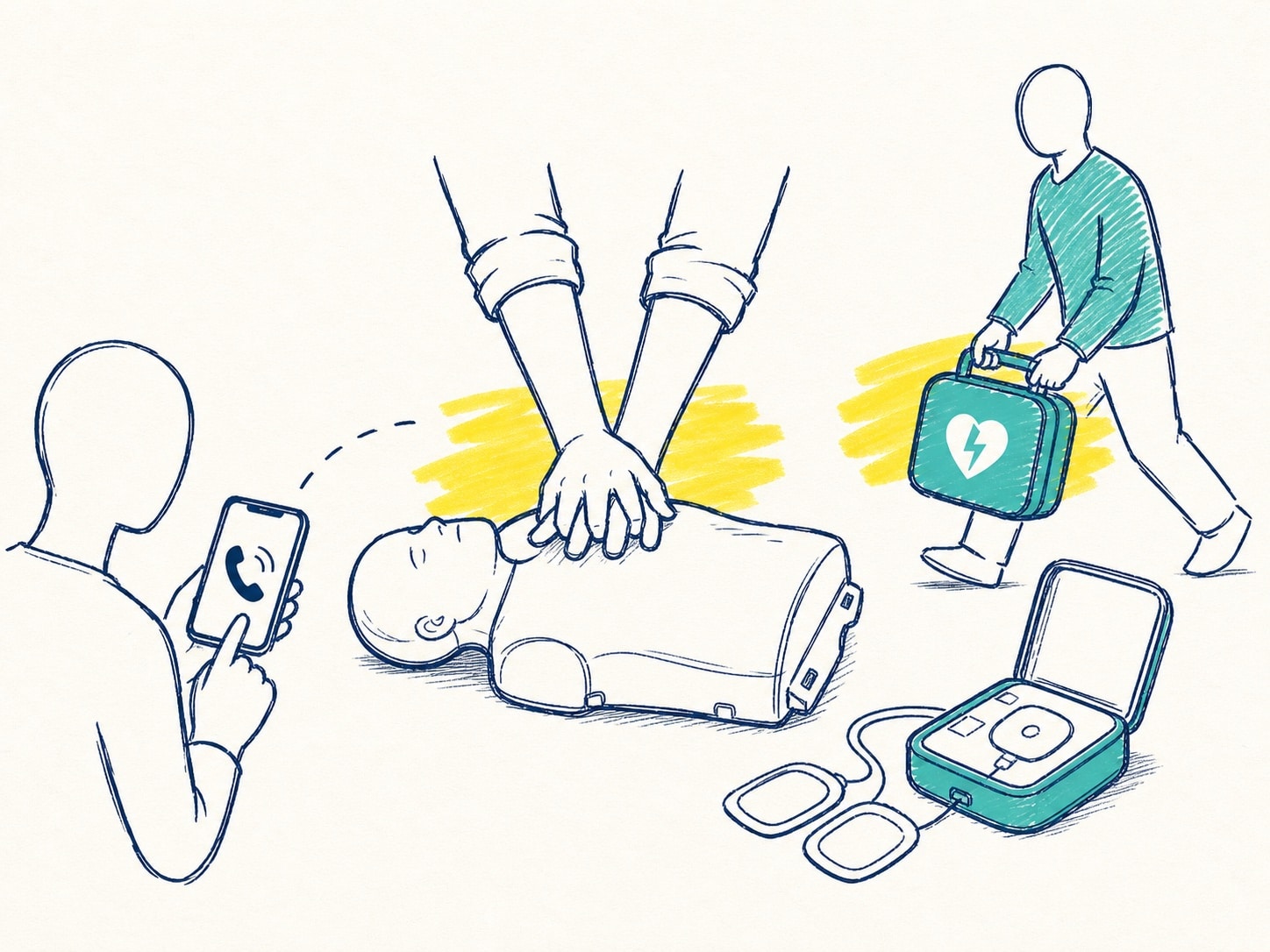
Cardiac arrest is a team response
One person cannot do everything well at once. Someone may need to call 000, someone may need to bring the AED, someone needs to start compressions, and someone may need to swap in when the first rescuer gets tired.
Multiple people could be injured
If an incident affects several people, one first aider is immediately stretched. This is especially relevant around chemicals, machinery, electrical incidents, vehicles, school excursions, sport or remote work.
The question is not “can one person technically help?” It is “what if they have to help 3, 5 or 10 people?”
CPR expires before first aid does
This one catches a lot of workplaces.
The Code recommends refresher training in CPR every 12 months and first aid qualifications every three years. So if you only look at the three-year first aid expiry date, your CPR currency can quietly fall behind.
Annual CPR is the sneaky renewal trap
HLTAID011 Provide First Aid is commonly renewed every three years, but CPR refreshers are generally recommended every 12 months. If you train once and forget it, your paperwork may look calmer than your actual compliance picture.

What First Aid Training Do Workplace First Aiders Need?
For most general workplaces, the usual first aid qualification is HLTAID011 Provide First Aid. It covers responding to first aid emergencies, applying first aid procedures, communicating details and reviewing the incident.
CPR is covered by HLTAID009 Provide cardiopulmonary resuscitation, which is why annual CPR refreshers matter. If your first aiders completed HLTAID011 two years ago but have not refreshed CPR since, that is worth checking.
Some workplaces need different or additional training:
- Childcare and education settings may need HLTAID012 Childcare First Aid
- Electrical teams may need Low Voltage Rescue and CPR
- Remote or isolated workers may need extra training or equipment, depending on the risk
- Higher-risk worksites may need more first aiders, better equipment or more specific procedures
Team First Aid delivers nationally recognised training on behalf of ABC First Aid, RTO 3399. That matters because workplace first aiders should have a recognised Statement of Attainment, not just “someone showed them once.”
After doing first aid courses every year for over 20 years I would have to say last week was the best First Aid course I have ever attended. Thank you for the short, sharp session that included so many new facts that had not been shared with us before.
That is the goal. Not just “we have certificates somewhere.” Actual confidence.
Which Professions Often Need Current First Aid or CPR?
Workplace first aid is not always just about the nominated first aider.
In many workplaces, individual staff may need current first aid or CPR because of their profession, registration, employer policy, licence, insurance, funding arrangement or sector standard. The exact requirement depends on the role and governing body, so do not treat this as a legal list. Treat it as a prompt to check.
Common examples include:
- Dentists and dental staff
- Nurses and clinical support staff
- Psychologists and allied health professionals
- School and childcare staff
- Fitness, sport and community activity roles
- Electrical workers, trades and higher-risk field roles
This matters for clinics, schools, childcare centres and allied health teams. You might have a first aid plan for the workplace, but still have several professionals who need their own CPR or first aid currency.
If half your team needs current CPR anyway, it often makes sense to train the group together onsite. One booking. One renewal cycle. Everyone hearing the same emergency process.
What About Offsite, Mobile, Remote or Isolated Workers?
First aid access has to follow the work.
Remote or isolated work does not just mean someone is working in the middle of nowhere. WorkSafe Queensland describes remote or isolated work as work separated from other people because of location, time or the nature of the work.
In plain English, this can include:
- Electrical or trade teams moving between job sites
- Community nurses or allied health staff doing home visits
- Sales reps, inspectors, couriers, drivers or bus drivers where the vehicle is effectively the workplace
- Staff working alone at night or away from the main team
- Outdoor, rural or remote work where emergency services may be delayed
If your team works away from the office, do not ask only “how many first aiders are on payroll?” Ask “what happens where the work actually happens?”
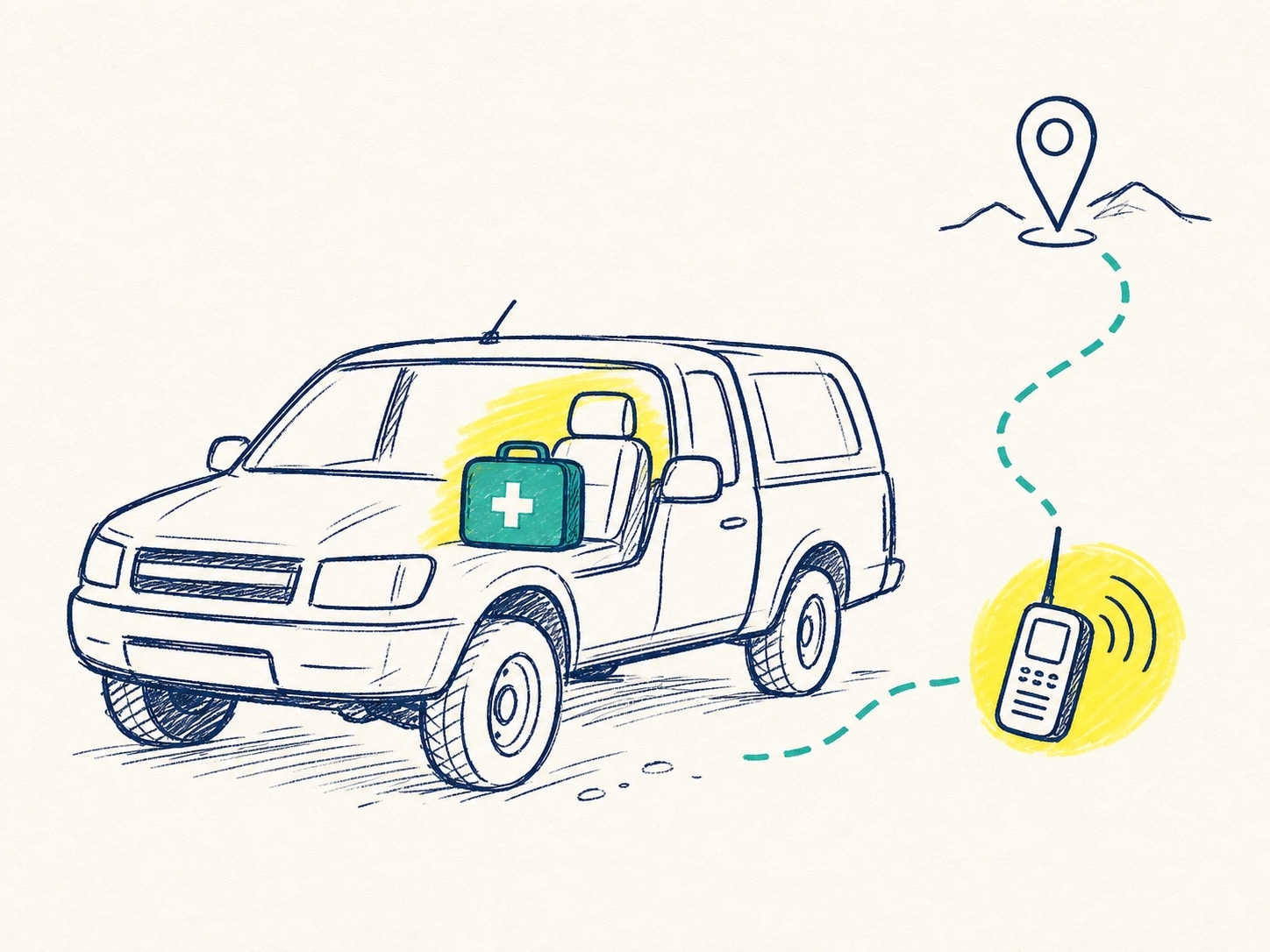
The Code points to location, distance between work areas, emergency service response times, dispersed workers, difficult access, multiple floors and mobile roles. It also points to portable first aid kits in vehicles where the vehicle is the workplace.
Make first aid part of the job setup
For offsite work, think beyond the certificate. Check portable kits, AED access where practical, mobile coverage, radio or satellite communication, check-in systems, incident reporting, and whether staff know the emergency process before they leave the main workplace.
For some remote or isolated settings, HLTAID011 may not be enough on its own. The Queensland Ambulance Service lists HLTAID013 Provide First Aid in a Remote or Isolated Site as a unit focused on giving first aid until medical help arrives or evacuation occurs.
That does not mean every mobile worker needs HLTAID013. It means remote and isolated work deserves its own risk assessment, not a quick glance at the office headcount.
First Aid Kit Requirements for QLD Workplaces
Every workplace needs accessible first aid equipment. The exact kit and facilities depend on the work.
Check:
- Do you have enough first aid kits for the size and layout of the workplace?
- Are they easy to find?
- Are they clearly identified?
- Are they stocked for the actual hazards?
- Are expired items checked and replaced?
- Do staff know where the kits are?
- Do mobile or vehicle-based workers need portable kits?
- Is there an AED onsite, and do staff know where it is?
- Do you need a first aid room or a dedicated first aid area?
The Code recommends a first aid room for low-risk workplaces with 200 or more workers, and high-risk workplaces with 100 or more workers. Smaller workplaces may not need a room, but they still need suitable facilities. That could be a clean, accessible space where a person can be treated privately and safely until help arrives.
First aid equipment should not be a mystery cupboard no one opens until something has gone wrong.
Ratio-Only Thinking vs Practical First Aid Coverage
Here is the difference in plain terms.
Ratio-only thinking
Looks neat on paper
- One person named, no backup
- Total payroll counted instead of people present
- CPR expiry forgotten between first aid renewals
- Kits exist, but staff do not know where they are
- Offsite workers left out of the plan
Practical coverage
Built around real incidents
- Coverage by shift, site and floor
- Backup first aiders trained and known
- Annual CPR tracked properly
- Staff know who, where and what to do
- Mobile, remote and vehicle work considered
The second column is the one you actually want when someone hits the floor.
A Simple Queensland Workplace First Aid Checklist
Use this as a practical starting point.
- Identify workplace hazards.
- Count who is present at once: workers, visitors, students, clients, contractors and patients where relevant.
- Check shifts, sites, floors, buildings, vehicles and offsite work.
- Map how long it would take trained help to reach the furthest likely incident location.
- Identify any mobile, remote, isolated or solo work.
- Decide whether one first aider is enough once leave, lunch, meetings and response time are considered.
- Choose a sensible first aider coverage plan.
- Check first aid and CPR expiry dates.
- Locate, stock and maintain first aid kits and AEDs, including portable or vehicle kits where needed.
- Confirm communication and check-in systems for staff away from the main workplace.
- Tell staff who the first aiders are, where equipment is, and what to do in an emergency.
- Review after incidents, workplace changes, staff changes or layout changes.
- Book training before expiry dates get messy.
Want to train a practical first aid cohort at your workplace?
What Training Mix Does Your Workplace Need?
The right training mix depends on risk, roles and team size.
Core workplace coverage
Choose HLTAID011 if…
- You need general workplace first aiders
- Your team needs nationally recognised first aid training
- You want staff able to respond to common workplace incidents
- You are aligning first aid renewal dates
Annual refresh
Add CPR if…
- Your team’s CPR is due for its 12-month refresher
- Staff have first aid certificates but stale CPR
- Your industry or role expects current CPR
- You have an AED onsite and want staff confident using it
Extra risk
Consider specialist training if…
- You work with children, electrical risk or remote sites
- Staff work alone, offsite or in vehicles
- Emergency help may be delayed
- Your profession or sector has extra requirements
How Onsite Training Makes First Aid Compliance Easier
This is where onsite training becomes practical, not just convenient.
If you train one person, you have one person. If you train a group, you have coverage, shared understanding and backup.
With onsite first aid training — anywhere from the CBD to North Brisbane — your team learns together where emergencies might actually happen. That means you can talk through:
- Where the AED is
- Where the first aid kits are
- Who calls 000
- Who meets the ambulance
- What happens if the incident is upstairs, outside or offsite
- What risks are specific to your workplace
- How staff should communicate during a medical emergency
For many Brisbane workplaces, the minimum onsite group size is not a hurdle. It is a clue. If your workplace needs reliable coverage, training 6-10 people together is often smarter than training one nominated person and hoping they are always around.
TFA’s X-press onsite training keeps the organiser experience simple: one booking, one date and one group renewal cycle. Nationally recognised training and assessment is delivered by Team First Aid on behalf of ABC First Aid RTO 3399.
If you are coordinating the booking, use our seven-step guide to arranging group first aid training to cover the attendee list, quote, date, venue, learner preparation and records.
Workplace First Aid Requirements QLD by Example
These are examples, not legal determinations. Use them to think through your own workplace.
25-person Brisbane office
The ratio might suggest one first aider is enough in a low-risk office. In practice, two or three may be smarter because people take leave, work from home, sit in meetings and go to lunch. Also check CPR currency, kit location, AED access and whether everyone knows who to call internally.
40-person warehouse or light industrial site
This may be higher risk depending on plant, vehicles, manual handling, loading areas, chemicals or machinery. Think by shift and area, not just headcount. A first aider in the office is not much help if no one can alert them quickly from the loading bay.
80-person childcare centre or school setting
Childcare and school environments bring children, visitors, excursions, playgrounds, sport, asthma, anaphylaxis and plenty of movement. Some staff may need role-specific first aid currency, and HLTAID012 may be relevant for educators and carers.
Dental or allied health clinic
A clinic may have several professionals who need current CPR or first aid because of their profession, registration, employer policy or clinical risk. The plan should consider patients, treatment rooms, emergency equipment and what happens if the clinician treating the patient needs help.
Mobile trade or electrical team
The work may happen across job sites, vehicles, client premises, roofs, workshops or outdoor environments. Your plan needs to consider portable kits, communication, job-site access, electrical risk and whether emergency services could be delayed.
For electrical work, CPR and Low Voltage Rescue may also be relevant.
Community nursing or allied health visits
If staff work in client homes or community settings, the main workplace kit is not enough. Think about what the worker carries, how they check in, how they call for help, and what training suits the risks away from base.
The Bottom Line
Workplace first aid requirements QLD businesses need to consider are not about chasing the smallest possible number of trained people.
They are about making sure trained help, first aid equipment and a clear emergency process are available when something actually happens.
Use the Code of Practice ratios as a starting point. Then look at your real workplace: hazards, shifts, site layout, mobile work, professional requirements, CPR currency and response time.
If that points to training a small group instead of one lonely nominated first aider, good. That is usually the more sensible plan.
Ready when you are
Book first aid training for your Brisbane team
See your price in about 60 seconds. No forms. No phone calls. No one’s going to ring you.
★★★★★
200+ five-star reviews from Brisbane workplaces
Frequently asked questions
What are the first aid requirements for a workplace in Queensland?
Queensland workplaces need first aid equipment and facilities, plus access to an adequate number of trained first aiders. What is adequate depends on the work, hazards, workplace size and location, and the people present.
How many first aiders does a QLD workplace need?
The Code of Practice gives starting ratios: 1 first aider per 50 workers in low-risk workplaces, 1 per 25 in high-risk workplaces, and 1 per 10 in remote high-risk workplaces. These are guidance ratios, so workplaces still need to assess their actual risks and coverage needs.
Is one first aider enough for a small business?
Sometimes, but not always. One first aider may leave gaps if they are sick, on leave, at lunch, in a meeting, working from home, or are the person who needs help. Many small workplaces choose to train several people so first aid coverage is more reliable.
How often do workplace first aiders need to renew CPR?
The Code of Practice recommends CPR refresher training every 12 months. First aid qualifications are generally renewed every three years, so CPR often needs refreshing before the full first aid certificate expires.
Do mobile or offsite workers need their own first aid kit?
They may. If a vehicle is effectively the workplace, or staff work away from the main site, the first aid plan should consider portable kits, communication systems, emergency access and the risks of the work being done.
Do some professions need their own current first aid or CPR qualification?
Yes, some roles may require current first aid or CPR because of professional registration, employer policy, licences, funding arrangements, insurance or sector standards. Examples can include dental, nursing, allied health, school, childcare, fitness, sport, trade and electrical roles. Check the specific requirement for each role.
Do Queensland workplaces need onsite first aid training?
No, onsite training is not mandatory for every workplace. But for teams of 6 or more, onsite training can be a practical way to train several people together, discuss workplace-specific scenarios, align renewal dates and reduce staff downtime.